

Nobody hands founders a playbook on day one. The playbook gets written along the way.
Founders can plan for anything, but they cannot plan for everything
You're Not Ready? Start Anyway.
Founders can plan for anything, but they cannot plan for everything.
The instinct to over-prepare makes sense. Launching a CPG product into retail is a high-stakes environment, and the margin for error feels razor thin. But over-preparation has a shadow side: it gives founders a reason to stay comfortable instead of getting in front of customers and retailers and collecting the feedback that can actually shape the product.
The Myth of Readiness
There is a version of "getting ready" that looks like work but functions as delay. Tweaking the packaging for the fifth time. Running another round of internal reviews. Waiting for the perfect retail partner before building any community.
The brands that win in CPG are not the ones who launched perfectly. They are the ones who launched and paid attention.
The market will teach founders things no amount of internal planning can. Quarterly planning is still useful, and three months later it is sometimes hilarious how far the company moved from what was on that plan, but only because the team was nimble enough to move at all.
The early stage is really fun because you're really agile and nimble and making 1,000 decisions a day that determine the direction of your company. — Kiki Couchman, Co-Founder, Sourmilk
That agility is a structural advantage that disappears as a company scales. The window to move fast, test things, and change direction without a board meeting is finite. Founders who treat scrappiness as something to apologize for are not treating it like the edge it actually is.
Why Scrappy Is a Skill
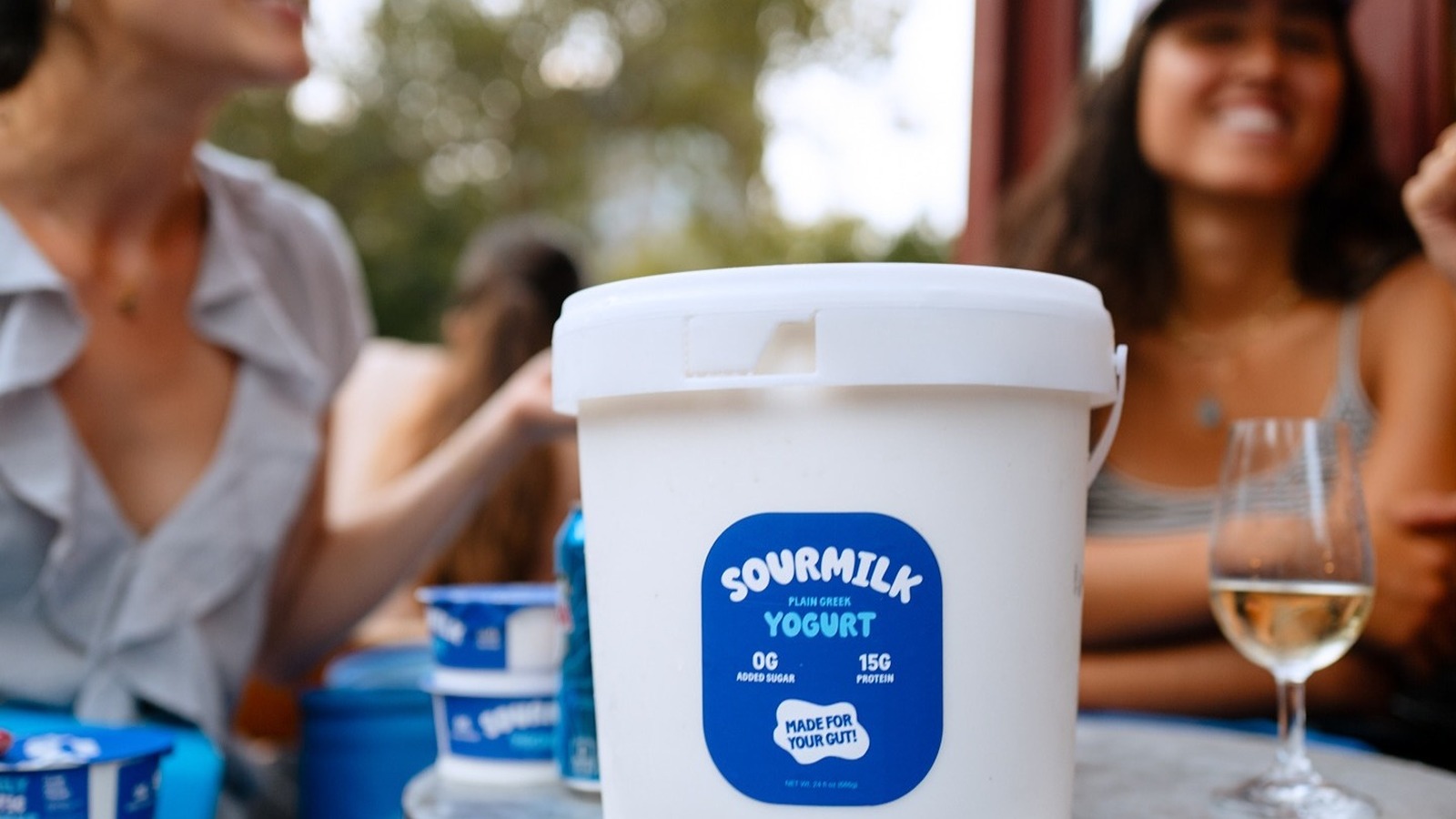
Being scrappy is not the same as being underprepared. It is knowing how to make the most of limited resources without letting those limits become excuses. Sourmilk sold 8,000 cups of yogurt hand to hand on the streets of New York before they had a single retail shelf. They had no retail distribution network, so they started anyway, and it gave them customer data that no farmer's market cash transaction could deliver: zip codes, retention rates, average order values, and a direct line to every person who bought the product.
Solving logistical problems at speed, delivering yogurt by bike, running street-level sales before retail, filming content from the sampling runs the same day: these are not signs of a company that has not figured it out. These are signs of a company building operational muscle that will matter when scale actually arrives.
The Longer Game CPG Demands
Building a CPG brand is not a five-year Silicon Valley sprint. The revenue model is different, the margins are thin, the distribution layers are real, and the cultural adoption of a product takes time that no amount of funding can compress. A single yogurt unit sold to a distributor for two dollars represents one tiny building block in a supply chain that takes years to optimize.
The pressure to be successful in five years or be considered a failure is a comparison that does not transfer to CPG, food, or any category where building a real customer relationship matters more than raising the next round.
Great things take a while to build.
What This Means for Your Brand
If a brand is in early stages and feeling behind, the question worth asking is: behind what, exactly? Behind a competitor who over-expanded too fast and is now burning cash on operational inefficiencies? Behind a timeline that was always arbitrary?
The brands that survive in CPG are the ones that build foundations before they build reach. Community before distribution. Data before scale. A cult following before a national launch.
Starting before everything is perfect is not reckless. Waiting until everything is perfect is.
Listen to the episode
You're Not Ready? Start Anyway.
Hear the full conversation on Apple Podcasts, Spotify, or YouTube.

Join the conversation
Share your thoughts on this episode. Be respectful and on‑topic.