

The Longer Game — retail reimagined
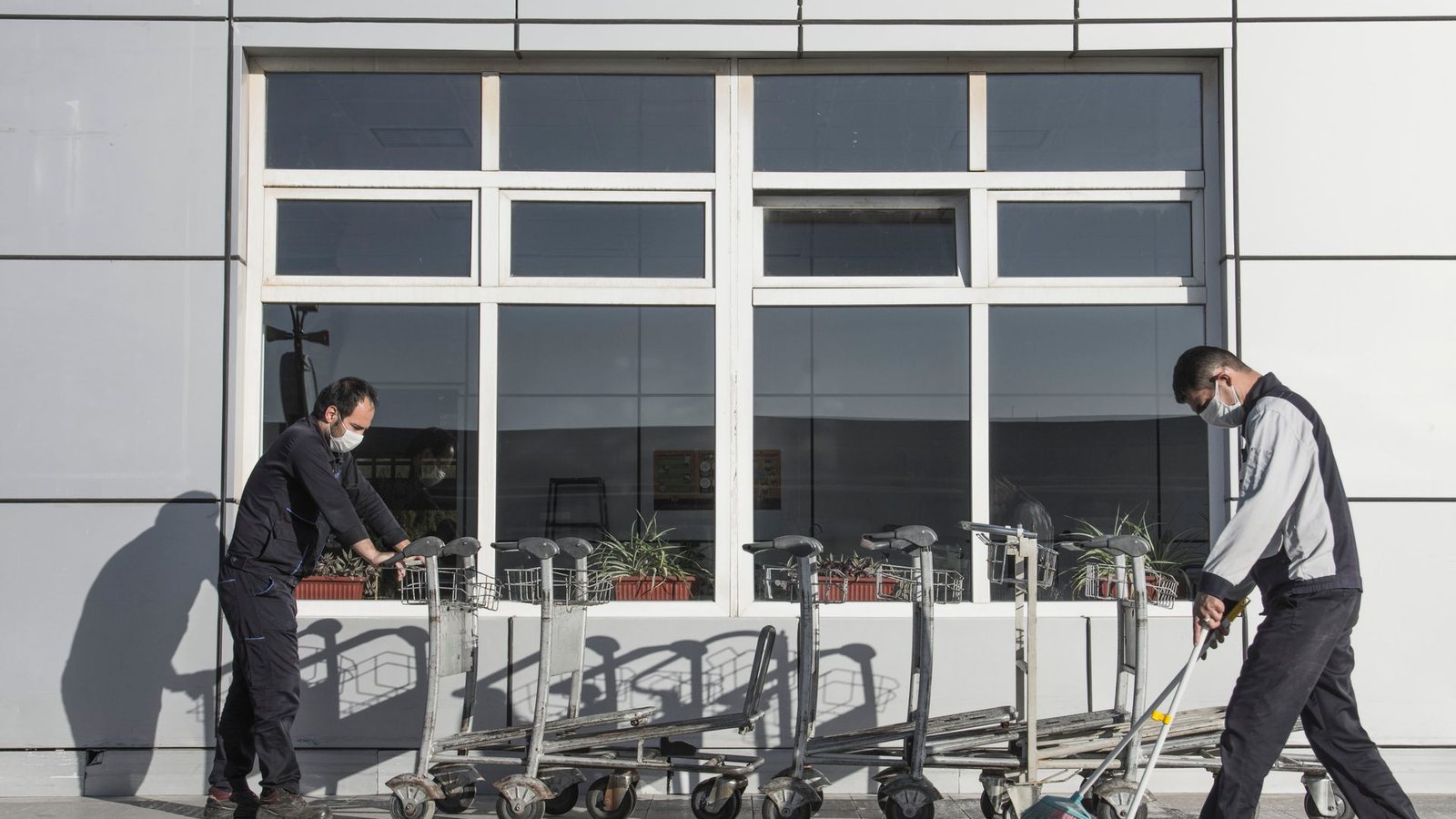
Working Retail On The Frontlines Deserves A Medal

The frontline insight your board room ignores.

Working Retail On The Frontlines Deserves A Medal

One out of every four workers in the US works in retail in some form. Most of them will never get a plaque, a keynote invite, or a LinkedIn headline for it. Ron Thurston, author of Retail Pride and founder of Take Pride Today, thinks that has to change, and not just as a feel good gesture. The people running the floor of a store are running a multimillion dollar business with a P&L, a team, and zero formal training pipeline to prepare them for it.

Michael Maher sat down with Thurston to unpack why frontline retail work is so undervalued and so hard, and why the industry cannot afford to keep treating it as an accidental career.


Nobody Trains You to Run a $20 Million Store

Ron Thurston spent his career climbing from sales associate to store manager to district manager to head of stores, and he says the skill required to run a store is consistently underestimated. A store manager is handling merchandising, operations, loss prevention, cash management, corporate directives, and a team of anywhere from a handful to dozens of people, often self taught along the way. There is no school for it. You learn by doing the job, and sometimes by failing at it.

"The only way you become great in this industry is by doing the work and sometimes failing."


— Ron Thurston, Author of Retail Pride and Founder of Take Pride Today


The Career Nobody Chose on Purpose

Thurston has interviewed hundreds of retail employees around the world, and a theme keeps coming up: almost nobody planned to end up there. There is no defined education path, no fixed salary trajectory, and no clear next step. For many people it feels accidental, and that shapes how they talk about the job, often with a shrug instead of pride.

"We have to find ways to celebrate the people doing the hardest work for this industry, which is in stores."


— Ron Thurston, Author of Retail Pride and Founder of Take Pride Today


Every Store Has a Different Boss, Which Means Every Store Is a Different Brand

Michael Maher raised a pointed example from his own time at Starbucks: two locations of the same brand, blocks apart, can feel like entirely different companies depending on who is leading them. Thurston confirmed it from his own experience, including a run as an Apple store manager in a low profile Houston mall right after the iPhone launch. He treated it as a personal challenge, built a scrappy team into one of the best performing service locations in the company, and got promoted into a multi store leadership role because of it. His point: leadership, not location or brand prestige, decides whether a store thrives.

He also pushed back on the assumption that luxury retail is inherently a better place to work than a dollar store. He described a district manager at a dollar store chain posting photos on LinkedIn of employee gratitude walls covered in handmade decorations, asking the public to vote on their favorite. Thurston reached out immediately, moved by it.

"Why do we say that luxury is actually a better place to work, or that is easier than the dollar store? Because it's not."


— Ron Thurston, Author of Retail Pride and Founder of Take Pride Today


The Checkout Moment Decides How the Whole Visit Gets Remembered

As self checkout spreads across grocery and retail, Thurston argues brands are giving up one of their best chances to shape perception. A warm, genuine interaction at checkout can turn an average visit into a memorable one, and a cold or clumsy one can undo everything that went right earlier in the trip. He walked through how a customer might rate an otherwise fine experience lower simply because checkout felt impersonal, turning a potential brand promoter into someone who says nothing at all, good or bad.


Every Channel Is Still One Brand

Michael Maher connected this back to his own world of Amazon and ecommerce: a customer who has a bad experience with a third party seller often blames the brand itself, not the reseller, and that perception follows the brand everywhere, including into physical stores. Thurston agreed, describing retail as an ecosystem where a founder's story, the product, and the in store experience all reinforce or undercut each other. He pointed to a startup fashion founder who launched at New York Fashion Week, ran a temporary retail space through the end of the year to acquire customers, then moved back to selling online only, using the store purely as a growth engine for the brand.

  • Frontline store managers are running real businesses. Train and pay them like it.
  • Brand consistency depends on local leadership, not corporate policy alone.
  • Treat checkout as a brand moment, not just a transaction to get through.
  • A bad experience with a reseller or a bad experience in one location damages the whole brand, not just that touchpoint.
  • Pop up and short term retail can work as a customer acquisition engine even for online first brands.

To hear the full conversation between Michael Maher and Ron Thurston on giving frontline retail workers the respect and support they have earned, watch the full episode of The Longer Game.

Listen to the episode

Working Retail On The Frontlines Deserves A Medal

Hear the full conversation on Apple Podcasts, Spotify, or YouTube.

Watch the full episode on our YouTube channel →
Comments

Join the conversation

Share your thoughts on this episode. Be respectful and on‑topic.

Sign in to post a comment
No comments yet. Be the first to share your thoughts.