

Why the operators winning with AI are aiming it at the busywork, not their headcount
There is a quiet fear in every ops team right now: the machine is here for the jobs.
If you are trying to work out where AI actually fits on your team,

Why the operators winning with AI are aiming it at the busywork, not their headcount
There is a quiet fear in every ops team right now: the machine is here for the jobs.
If you are trying to work out where AI actually fits on your team,
For most teams the slow part of the work happened before any real thinking started. Pulling the data. Sorting it. Sitting with a spreadsheet long enough to find the one thing that mattered.

Root-cause work on a single account could eat an afternoon before anyone reached a decision. That is the part AI takes off the table.
Ask it why an account slipped, meaning why sales dropped over the last two months. Be specific about what you are asking it to look at. Feed it the real data. It runs the possibilities and drills to the next layer in minutes.
"It's like an advertising treasure hunt." Michael Maher, Chief Idea Officer, Cartology
AI does the digging and some of the analysis. You do the rest and make the judgment calls.
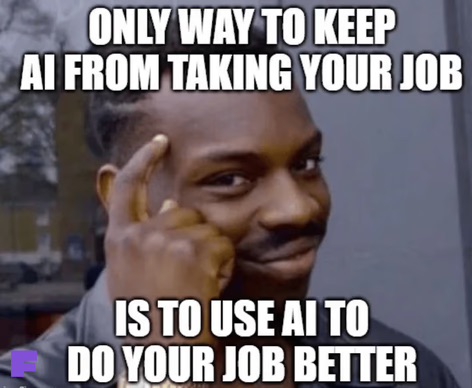
The work gets faster, and it gets better too, but only when you give it real context and check what it hands back.
The fear says AI means fewer chairs. The operators using it well are finally doing the deeper analysis they used to skip when there was never enough time.

Once AI handles the slow analysis, a small team can cover more accounts and more decisions than it could before.
Want the weekly read on what's actually working in retail?
The teams that pull ahead use AI to raise the ceiling on what a small team can produce, instead of treating it as a reason to cut the team and keep the output flat.
Hear the full conversation on Apple Podcasts, Spotify, or YouTube.

Join the conversation
Share your thoughts on this episode. Be respectful and on‑topic.