

The end of borrowed trust.
Influencer marketing is on life support, and brands have no one to blame but themselves.
They handed over storytelling to people whose job was to sell relatability. Then they wondered why it stopped working.
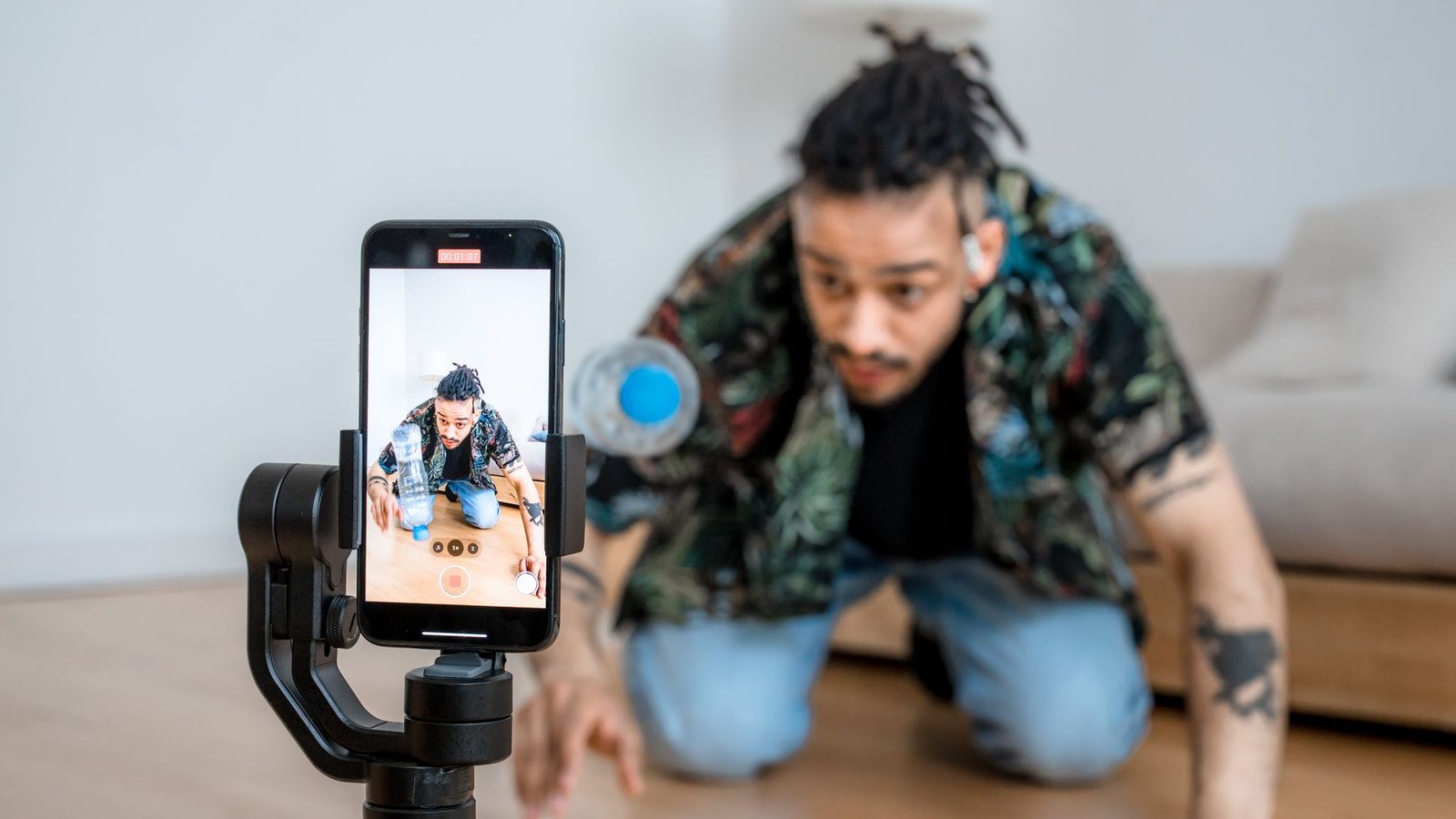
You're renting an audience that will only ever remember the influencer.
Influencer marketing is on life support, and brands have no one to blame but themselves.
They handed over storytelling to people whose job was to sell relatability. Then they wondered why it stopped working.
She is right. The audience now trusts ownership more than endorsement. They know when they are being sold to, and they scroll faster.
Paying $100K to borrow someone's audience for 30 days doesn't create loyalty. It is a sugar high.
You get the impressions. Maybe a few sales. But no one remembers your brand, just the influencer.
Instead, the smart brands are collaborating across, not up. Two niche brands partnering together can do more damage than a single viral post.
Fishwife x Fly By Jing: canned fish meets chili oil. Unexpected, yet authentic.
Chili's x Tecovas: boots and fajitas? Sold out in minutes.
Tajin x Revlon: spicy lip gloss. Makes no sense. Works anyway.
These collabs tell a story audiences want to be part of, not just watch. They also bridge two communities that might never have realized they overlap.
Audiences crave friction and imperfection. They are opting out of perfect. They want something that feels real.
That is why nostalgia, print, and even flip phones are back. It reads as rebellion against the algorithm, not just retro nostalgia.
Influencers fade. Storytelling scales.
If your campaign can't survive without a borrowed face, you don't have a brand, you have a billboard with a timer on it.
Hear the full conversation on Apple Podcasts, Spotify, or YouTube.

Join the conversation
Share your thoughts on this episode. Be respectful and on‑topic.